Japan’s Cutthroat School System: A Cautionary Tale for the U.S.
“No Child Left Behind.” “Race to the Top.” The names suggest mobility, progress, moving on up and not falling back. The goal of education, according to these national education initiatives with their standards and testing, is forward motion and competitive advantage, progress and success, both in an unabashedly economic context. President Obama talks about how we need to “invest in our young people” in order to compete in a global marketplace. Bill Gates, too, argues we need standards in order to become “more competitive as a country.”
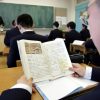
In this, as in so many other things, Japan preceded us. In her new book, Precarious Japan, anthropologist Anne Allison returns to the Japanese education system that she discussed in some detail in her 1995 monograph Permitted and Prohibited Desires. As Allison says in both volumes, the Japanese education system after World War II was built around highly competitive and rigorous high-school testing, which required enormous discipline and study. The goal was to prepare students for equally arduous employment in Japan’s industrial capitalist economy, where men worked basically all the time. (In Precarious Japan, Allison relates one anecdote of a man sleeping at his desk for no extra pay.) Good scores on tests ensured good jobs in Japan’s corporate economy. For their part, Allison writes, Japanese women were expected to stay home and focus all their time and energy on preparing children for their exams. In Allison’s words, they “worked hard at love.” Family, school, and work thus fit into a single seamless system of economic striving that “catapulted Japan to the heights of global prestige as an industrial power.”
Read more. [Image: Yuriko Nakao/Reuters]