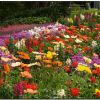
The product is all made by hand, with Cromwell going through the time consuming process of opening up existing shotgun shells, removing the lead, filling them with the seeds and then using paper and fabric to create a barrier so those seeds are protected from the direct blast. Cromwell embraces the meticulous work, explaining “every shell made gives you a rewarding feeling. Removing lead for seeds is almost a symbolic action.” It took a while to experiment with the amount of gunpowder needed for each seed type—there’s columbine, cornflower, daisy, poppy, sunflower, clematis, lavender, sweet pea, lupine, carnation, peony, and various meadow flowers. Load too much gunpowder though, and the seeds could explode on impact. Equally, it will be even more dangerous—Cromwell warns that the shells should be used with caution as if they contained only lead and firepower. “A peony seed fired at close range is dangerous. Very dangerous. You can’t be too careful, and I don’t want this to cause anything bad.” (via Flower Shell’s inventor on his need to spread seeds with a shotgun | Ars Technica)